


If you’re considering solar panels, installing them yourself may seem appealing. However, it’s essential to determine if DIY solar panel installation is the right choice for you. While it can save you money, it requires technical experience and a significant time investment. It’s crucial to weigh the pros and cons before deciding to go DIY.
Key Takeaways:
- DIY solar panel installation can save you money, but it requires technical expertise.
- You can save nearly 50% off the cost by installing solar panels yourself.
- Factors to consider include finding the best solar panels, understanding local regulations, and obtaining necessary permits.
- Maintenance is relatively low, but it’s essential to take safety precautions and consult a professional when needed.
- Professional solar installers offer expertise, warranty coverage, and access to incentives.
The Cost Savings of DIY Solar Panels
When considering installing solar panels, one of the key advantages of a DIY approach is the significant cost savings it offers. According to a report by Wood Mackenzie, nearly half of the cost of an installed solar system goes towards the installer’s overhead, customer acquisition costs, and labor. By opting for a DIY solar panel installation, you can save nearly 50% off the total cost compared to using a professional installer.
This substantial cost reduction is achievable primarily by finding good prices on panels and components. For example, consider purchasing used solar panels, which are reliable and can work for decades at a fraction of the price of new panels. Additionally, purchasing a DIY solar panel kit can provide significant savings, as these kits often include all the necessary components at a competitive price point.
The Financial Benefits of DIY Solar Panel Installation
Installing solar panels yourself allows you to bypass the expenses associated with professional labor and overhead costs. As a result, you can directly benefit from the lower upfront costs, accelerating the return on investment for your solar system. With the money saved, you can potentially invest in a higher quantity or quality of panels, maximizing your energy production and long-term savings.
“By installing your own solar panels, you can significantly lower the total cost of your solar project while still achieving a highly functional and efficient system.”
Furthermore, the cost savings of a DIY solar panel installation extend beyond the initial purchase. Operating solar panels requires minimal ongoing expenses, as they rely primarily on the free and abundant energy of the sun. By reducing your upfront costs, you can enjoy greater financial independence and potentially achieve a faster payback period for your investment.
In summary, opting for a DIY solar panel installation can provide substantial cost savings, enabling you to enjoy the financial benefits of using solar energy while keeping expenses to a minimum. By sourcing affordable panels and components, such as used panels or DIY kits, you can significantly reduce the overall costs associated with your solar project.
Cost Comparison Between DIY and Professional Solar Panel Installation
| DIY Solar Panel Installation | Professional Solar Panel Installation | |
|---|---|---|
| Cost | Lower upfront costs due to no labor or overhead expenses | Higher upfront costs due to professional labor and overhead expenses |
| Quality | Opportunity to source high-quality used panels or select top-of-the-line components | Benefit from professional expertise and access to high-quality equipment |
| Return on Investment | Accelerated payback period due to lower upfront costs | Long-term energy savings and potential incentives offered by professional installers |
Note: Costs may vary depending on the scale of the solar project and location-specific factors. Proper research, comparison, and evaluation are essential to make an informed decision.
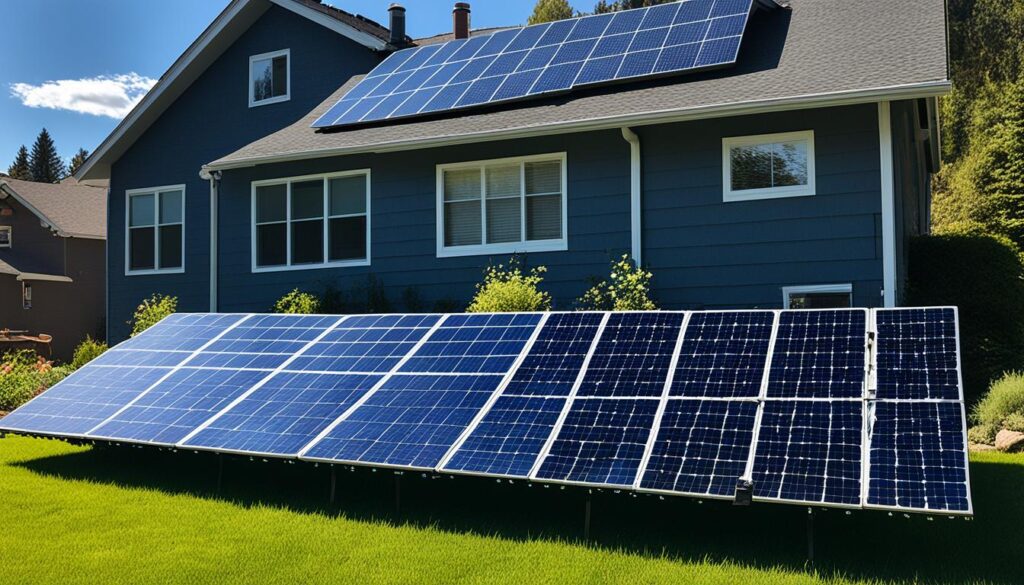
Factors to Consider when Installing DIY Solar Panels
Installing DIY solar panels requires careful consideration of various factors to ensure a successful and efficient setup. To help you navigate the process, here are some essential considerations:
Sourcing the Best Solar Panels
When it comes to DIY solar panel installation, finding the right panels for your needs is crucial. You have several options available to you, including:
- Local retailers: Visit local stores specializing in solar panels, where you can explore different options and seek advice from knowledgeable staff.
- Online vendors: Research reputable online vendors that offer a wide range of solar panels with customer reviews and ratings.
- Nonprofits and utilities: Some local nonprofits and utilities provide special programs and deals, enabling you to access affordable solar panels while supporting sustainable initiatives.
Take the time to compare prices, quality, and warranties of different panels before making your decision. Consider factors such as efficiency, durability, and suitability for your specific installation requirements.
Understanding Paperwork and Permits
Installing solar panels involves paperwork and permits to ensure compliance with local regulations and building codes. Each location may have different requirements, so it’s essential to familiarize yourself with the necessary paperwork and permits specific to your area.
“Understanding the necessary paperwork and permits required for installation is crucial.”
Consulting someone who has previously gone through the DIY solar panel installation process in your area can provide valuable insights and guidance. Additionally, reach out to the relevant local government offices to clarify any uncertainties and ensure a smooth installation process.
Ensuring Safety and Compliance
When installing DIY solar panels, safety should be a top priority. Ensure that you follow proper installation procedures, including electrical safety practices and secure mounting techniques.
Understanding your local building codes and regulations is vital to ensure compliance during installation. Consider consulting with a certified electrician or experienced solar panel installer to ensure that your setup meets all safety requirements.
Remember, creating a safe and compliant installation not only protects you and your property but also ensures the long-term efficiency and effectiveness of your solar panel system.
By considering these important factors, you can confidently proceed with your DIY solar panel installation, setting yourself up for success and enjoying the many benefits of renewable energy.
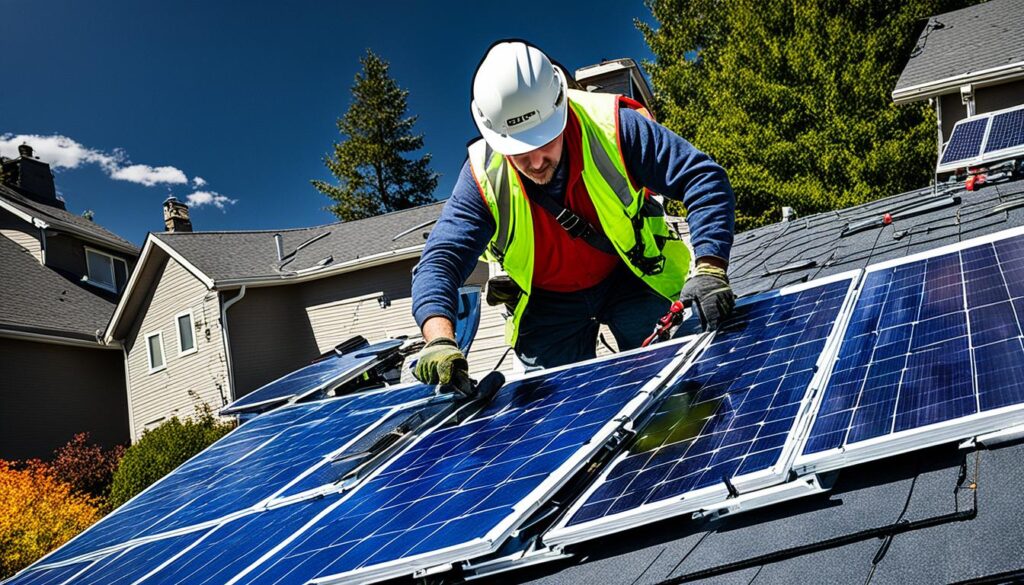
Maintenance and Post-Installation Considerations for DIY Solar Panels
Once your DIY solar panels are installed and generating clean energy, it’s important to understand the maintenance and post-installation considerations to ensure optimal performance and longevity.
Regular Cleaning
Keeping your solar panels clean is crucial for maximizing their efficiency. Dust, dirt, and even snow can accumulate on the panels and reduce their ability to absorb sunlight. To maintain their effectiveness, regularly clean the panels using a soft brush or squeegee. Gently remove any debris or buildup, ensuring not to scratch the surface of the panels.
Proactive Component Inspection
While DIY solar panels are generally low-maintenance, it’s important to periodically inspect the system and components for any signs of wear or damage. Check the wirings, connectors, and inverters for loose connections or signs of corrosion. If any component requires replacement or repairs, shut down the system and take necessary precautions to ensure your safety. It’s recommended to consult a certified electrician for complex issues or if you’re unsure about the necessary repairs.
Monitoring System Performance
Monitoring the performance of your DIY solar panel system is essential to identify any issues or discrepancies in energy production. Keep track of the energy generated by your panels and compare it to your expected output. Any significant deviations could indicate potential problems that require attention.
Proper maintenance and monitoring of your DIY solar panel system will ensure its longevity and optimal performance, allowing you to enjoy the benefits of clean energy for years to come.
Should You Install Your Own Solar Panels?
Installing solar panels yourself can be an attractive option for homeowners who want to reduce their carbon emissions and lower their monthly energy bills. However, before embarking on a DIY solar panel installation project, there are several crucial factors to consider.
Firstly, it’s important to assess the complexity of the solar panel system you intend to install. Do you have the necessary knowledge and skills to handle the intricacies of the installation process? Keep in mind that solar panel installation requires electrical expertise, including wiring and connections.
Moreover, it’s vital to analyze and adhere to local building codes, permits, and utility requirements. Each jurisdiction may have specific regulations that govern the installation and operation of solar panels. Familiarize yourself with these guidelines to ensure legal compliance and avoid any potential issues down the line.
While DIY solar panel installation offers the potential for cost savings, safety should always be a top priority. Working with electricity can pose hazards if not done correctly. Professionals undergo extensive training and have the necessary experience to handle potential risks effectively.
To summarize, installing your own solar panels can be a rewarding endeavor, but it’s crucial to evaluate your technical capabilities, study local regulations, and prioritize safety. If you lack the necessary expertise or prefer to have the peace of mind that comes with professional installation, it may be best to consult a reputable solar panel installer.
The Pros and Cons of DIY Solar Panels
DIY solar panels offer both advantages and disadvantages that should be carefully considered before deciding on installation. Understanding the pros and cons can help you make an informed choice regarding your solar energy project.
Pros of DIY Solar Panels
- Cost Savings: One of the significant advantages of DIY solar panels is the potential cost savings. By eliminating labor costs associated with hiring a professional installer, you can save a substantial amount of money.
- Control over System Design: Installing solar panels yourself allows you to have full control over the system design. You can customize it to meet your specific energy needs and preferences.
- Learning Experience: DIY solar panel installation can be a valuable learning experience. It enables you to understand the inner workings of the system and gain knowledge about renewable energy.
Cons of DIY Solar Panels
- Warranty and Insurance Issues: DIY solar panel installations may void the warranties provided by manufacturers. Additionally, obtaining insurance coverage for self-installed systems can be challenging.
- Fire or Electrocution Risks: Improper installation or handling of electrical components can increase the risk of fire or electrocution. Without professional guidance, there’s a higher chance of accidents or safety hazards.
- Absence of Professional Technical Assistance: DIY solar panels lack the professional technical assistance that comes with hiring an experienced installer. This can pose challenges during troubleshooting or complex system issues.
It’s essential to consider both the benefits and drawbacks of DIY solar panels before making a decision. Take into account your technical skills, safety concerns, and the complexity of the project. If you decide to proceed with DIY installation, ensure you acquire the necessary knowledge and follow best practices to ensure a successful and safe solar panel system.
Tips for Successful DIY Solar Projects
Embarking on a DIY solar project can be an exciting and fulfilling endeavor. Whether you’re looking to power your RV or explore renewable energy options for your boat, starting with small-scale off-grid installations is a great way to gain experience and confidence. Here are some essential tips to ensure your DIY solar panel installation is a success:
1. Choose DIY-Friendly Solar Kits
When sourcing equipment for your project, opt for DIY-friendly solar kits that include all the necessary components. These kits are specifically designed to simplify the installation process, providing you with everything you need to get started. Compare different options, read reviews, and select a kit that suits your needs and budget.
2. Thoroughly Research and Compare
Before purchasing any equipment, it’s important to do thorough research and compare different products. Look for high-quality solar panels and inverters that are reliable and efficient. Consider factors like warranties, customer reviews, and certifications to make informed decisions about the equipment you select.
3. Follow Proper Installation Procedures
Accurate installation is crucial for the performance and safety of your DIY solar panel system. Follow the manufacturer’s installation instructions carefully. Ensure that all electrical connections are secure and that proper grounding measures are in place. If you’re unsure about any aspect of the installation process, consult a professional electrician.
4. Ensure Safety First
When working with electricity, safety should always be a top priority. Use appropriate safety gear, such as gloves and safety glasses, and take necessary precautions to avoid accidents. Prioritize the safety of yourself and others throughout the installation process.
5. Seek Guidance from Reputable Resources
For additional guidance and expert advice, refer to reputable resources in the solar industry. Organizations like the Solar Energy Industries Association (SEIA) and the National Renewable Energy Laboratory (NREL) provide valuable information and guides for DIY solar projects. Their resources can help you navigate the installation process and troubleshoot any challenges you may encounter.
By following these tips, you can increase the chances of a successful DIY solar panel installation. Remember to start small, choose quality equipment, and prioritize safety. With careful planning and attention to detail, you’ll be well on your way to harnessing the power of the sun.
| Pros | Cons |
|---|---|
| Affordable and cost-effective | Potential warranty and insurance issues |
| Control over system design and customization | Fire and electrocution risks if not installed properly |
| Opportunity to learn about solar technology | No professional technical assistance |
Remember, while DIY solar projects offer advantages in terms of cost savings and customization, they require careful consideration and technical knowledge. Evaluate your skill level and the complexity of the project before deciding to embark on a DIY solar panel installation. If in doubt, it’s always wise to consult with a professional solar installer.
The Value of Professional Solar Installation
While DIY solar installation can be appealing, there are significant advantages to working with a professional solar installer. These experts possess valuable knowledge and experience in the field, ensuring a smooth and successful installation process. Here are some key reasons why professional solar installation is worth considering:
- Access to High-Quality Equipment: Professional solar installers have direct access to top-notch equipment from trusted manufacturers. They can recommend and install solar panels and components that are reliable, efficient, and built to last.
- Knowledge of Local Regulations and Incentives: Navigating the complex landscape of local regulations, permits, and incentives can be challenging for DIY enthusiasts. However, professional solar installers are well-versed in these requirements and can ensure compliance to avoid any legal issues.
- Permitting Expertise: Obtaining the necessary permits for solar panel installation can be a time-consuming and tedious process. Professional installers are familiar with the paperwork involved and can handle all the necessary documentation, saving you the hassle.
- Safe and Code-Compliant Installation: Ensuring the safety of your family, property, and the electrical grid is of utmost importance. Professional solar installers follow industry best practices and local building codes to guarantee a safe and code-compliant installation that meets all electrical standards.
- Comprehensive Warranties and Insurance Coverage: Professional installation often comes with comprehensive warranties and insurance coverage, providing you with peace of mind. In case of any issues or failures, you can rely on the support and protection provided by the installer.
Working with a professional solar installer offers numerous benefits that ensure a seamless and hassle-free solar panel installation process. Their expertise, access to high-quality equipment, and knowledge of local regulations deliver a reliable and efficient solar energy solution for your home or business.
Conclusion
In conclusion, DIY solar panel installation can be a viable option for small-scale off-grid projects or specific applications like RVs. It allows you to take control of your energy production and potentially save on installation costs. However, when it comes to whole-home solar panel systems, it is recommended to work with a professional installer to ensure safety, compliance with regulations, and access to incentives and warranties.
Installing solar panels on your own requires careful consideration of your skill level, project requirements, and local building codes and permits. While it may seem enticing to tackle the installation yourself, it’s crucial to prioritize safety and long-term performance. Professional installers have the expertise to design and install a system that meets your needs and conforms to industry standards.
By working with a professional installer, you not only benefit from their technical knowledge but also gain access to high-quality equipment and established relationships with suppliers. They can guide you through the entire process, from system design and permitting to commissioning and maintenance. Additionally, professional installations often come with comprehensive warranties and insurance coverage, providing you with peace of mind.
